Eco-Friendly Education at Ladakh’s SECMOL

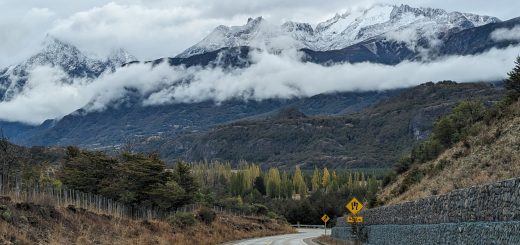
On a plateau over the Indus River in the Indian Himalayan mountain desert region of Ladakh is an eco-friendly campus called SECMOL. I spent much of my time there between 2008 and 2010 leading semester abroad programs for U.S. high school and gap year students.
After fourteen years and with our own gap year in full swing we decided to revisit the region. We spent a month in Ladakh and neighboring Kashmir in late September and October, 2024, including three nights at SECMOL.
Introduction to SECMOL
The Students’ Educational and Cultural Movement of Ladakh (SECMOL) was founded in 1988 by Ladakhi students who recognized the need for a change to the educational system. Not much later the SECMOL campus became a physical center for the movement and a space for an alternative, hands-on education.
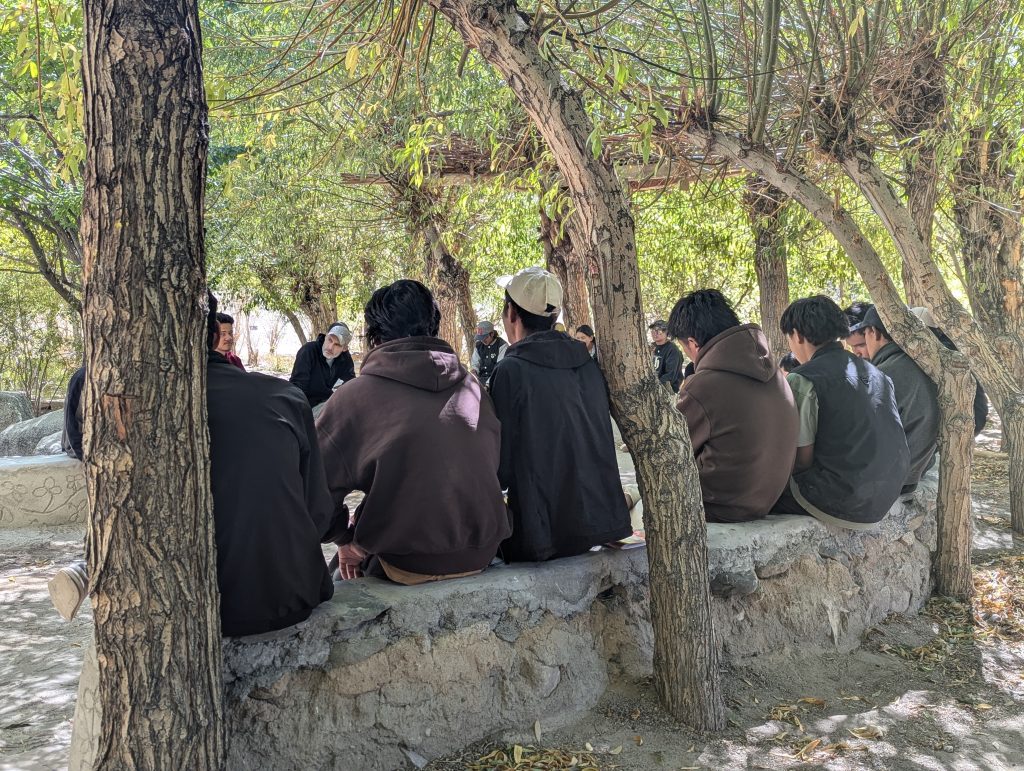
At the time of SECMOL’s founding 95 percent of Ladakhi students failed their critical tenth class exam. A primary factor was the non-Ladakhi language requirement ill-suited to the region: Urdu required up until class eight and then, abruptly, English for classes nine and ten just as students approached their crucial exam. Other factors included poorly trained teachers who often rotated schools, textbooks that had nothing to do with Ladakh, and a lack of community involvement. The movement has aimed to tackle and reverse each of these challenges, and has had many successes.
SECMOL has become a model for experiential education and eco-friendly living in Ladakh. Sadly, the region with its fragile ecosystem including melting glaciers also exemplifies the urgency of taking mitigating action against climate change. In this context, one of SECMOL’s founders, Sonam Wangchuk, has become a local hero of sorts.
When it comes to the physical campus, SECMOL offers a “foundation year” program for students studying to take or retake their tenth class exam, a gap year for students who have already passed the exam and will enter class eleven, and a space for resident college students. It is a place to improve language skills, build confidence, learn about and apply locally appropriate technologies, and develop an increased pride in Ladakhi cultural identity. The latter is vividly expressed at times, for example during cultural presentations students put on for special events.
The campus
Half an hour’s drive from Leh, SECMOL in some ways offers a picture of local life and challenges to environmental and cultural sustainability in Ladakh. In other ways it portrays an optimistic picture of life as it could be when community and ingenuity take on the hard realities of global development and environmental fragility.
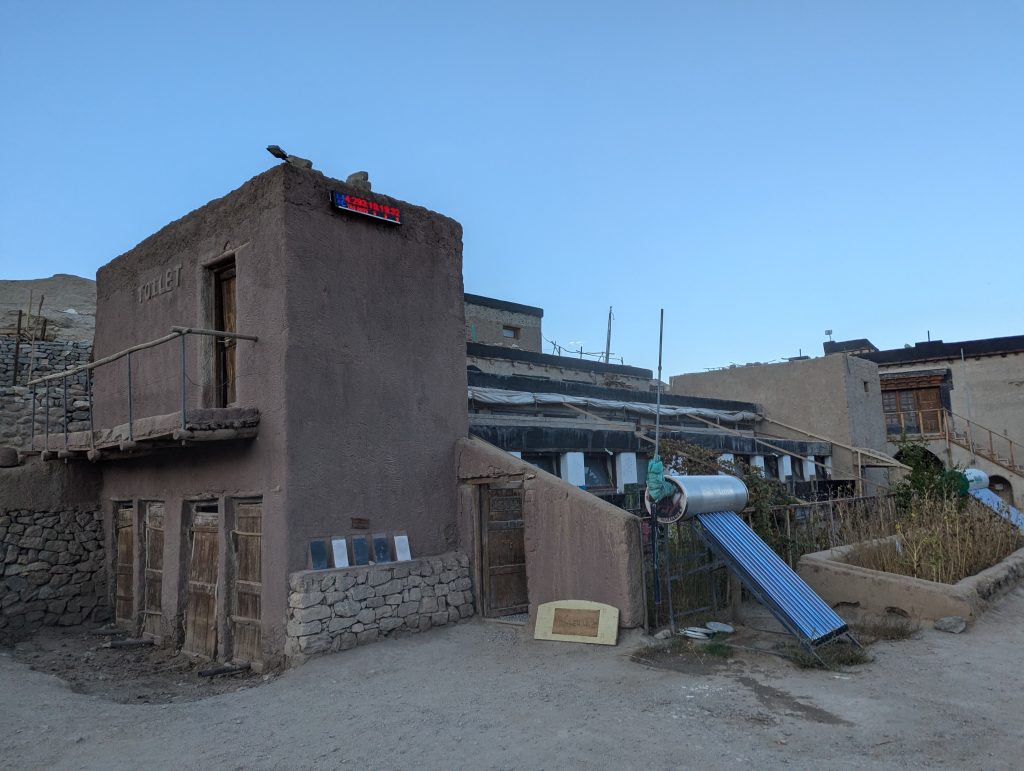
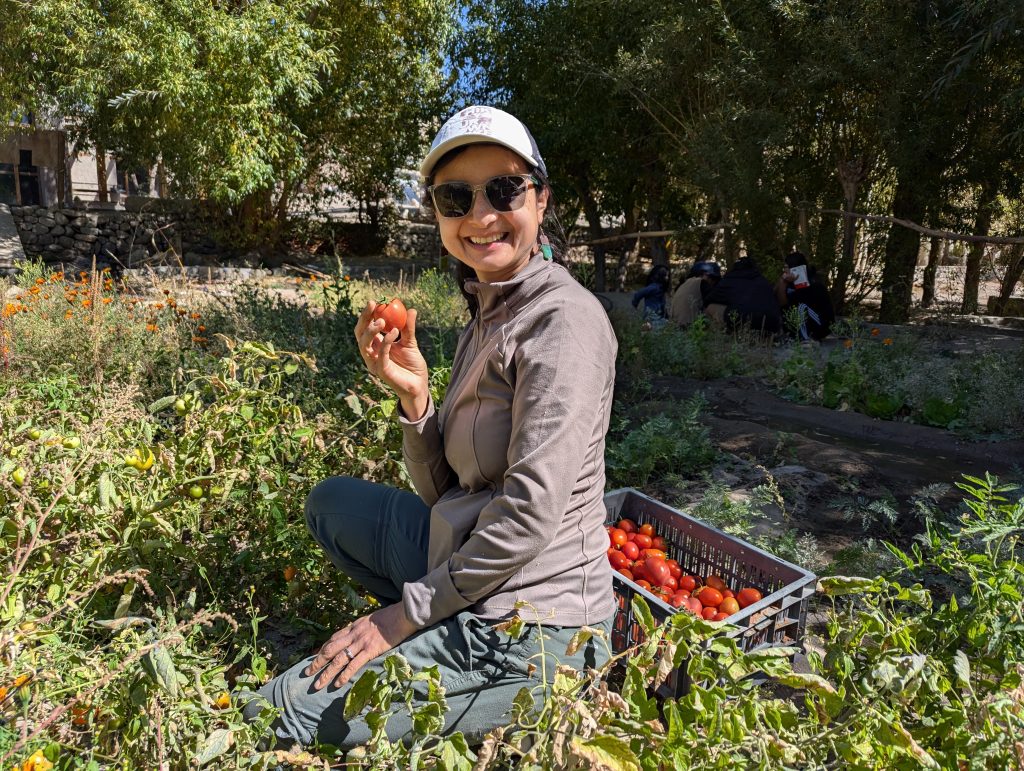
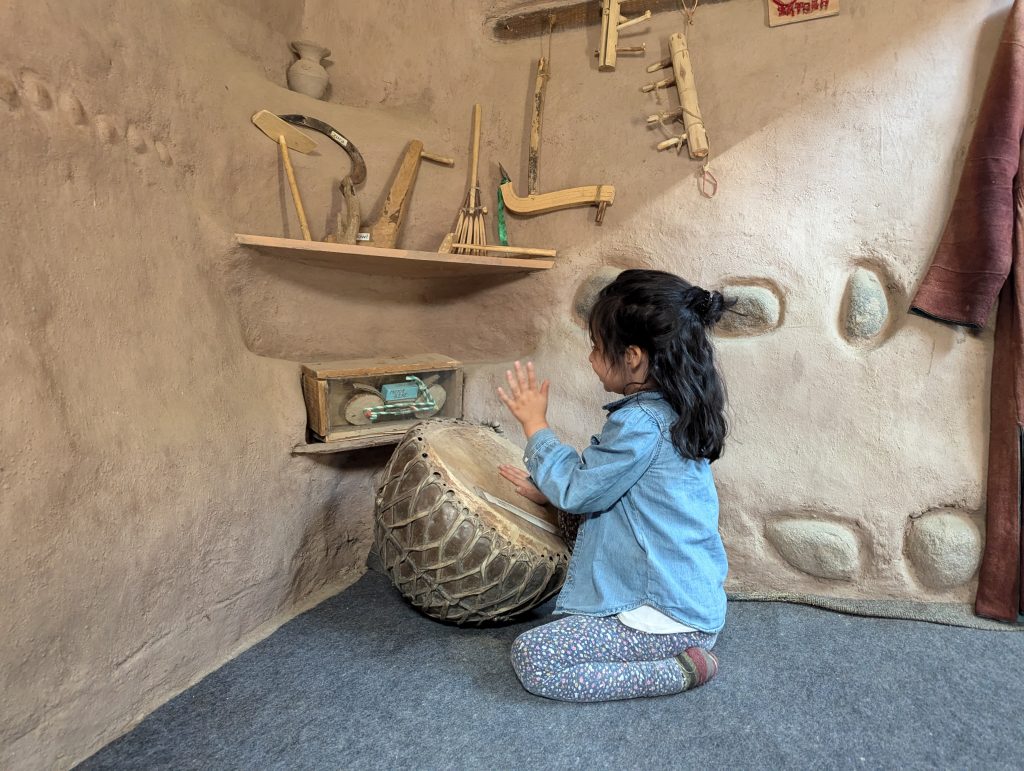
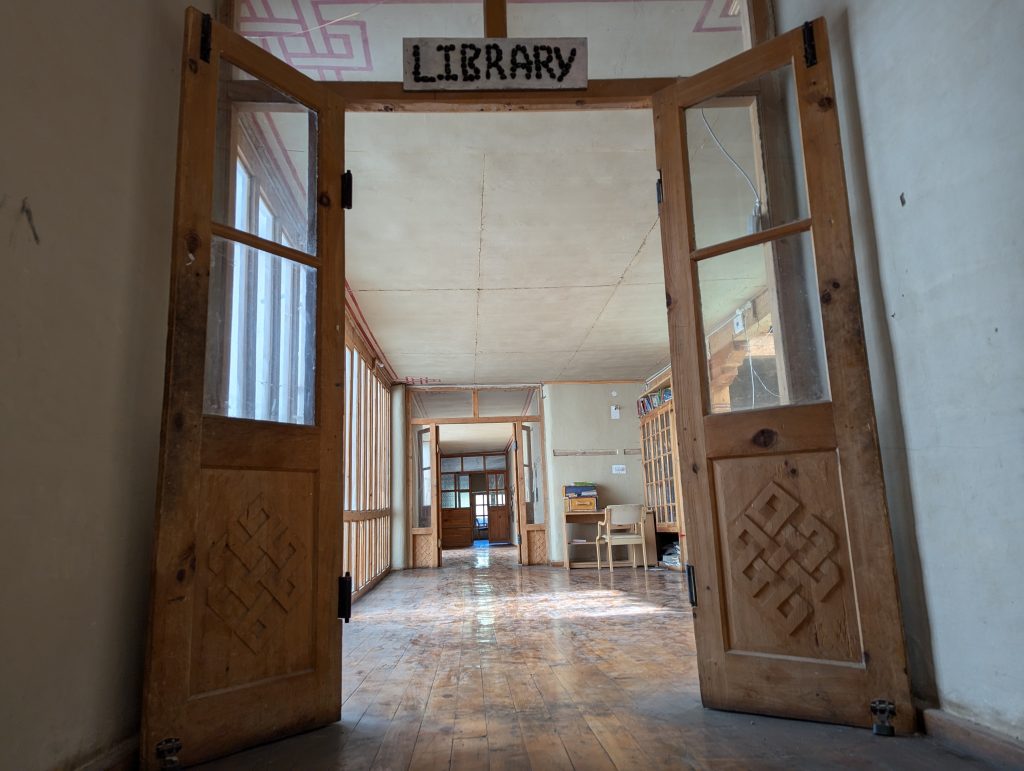
Completely barren at its founding, the campus now supports an increasing variety of fruits and vegetables. Poplar groves form tranquil sites for classes and activities. The Indus River is a short walk away and “SECMOL Mountain” is hikeable in under two hours. There are numerous inviting indoor spaces including a small library and a sitting area resembling a traditional Ladakhi kitchen.
The students themselves run just about everything, with guidance from staff. That includes gardening, cleaning, milking cows, caring for horses, maintaining solar heaters, participating in green building projects, welcoming guests and collecting their fees, and more. All of this happens at dedicated times carved out for individual student responsibilities (which rotate every two months) and a daily community work hour.
Outside of experiential learning, students may attend classes focused on English, science, Ladakhi culture, and other specific topics sometimes offered by volunteers. There is dedicated time for sports (polo, soccer, and ice hockey are popular).
Dinner is particularly illustrative of SECMOL’s values. Students share vegetarian meals, often in traditional Ladakhi preparations, in a main campus hall. A typical dinner time includes a short speech in English from one student (critical confidence building), singing a Ladakhi song, listening to the Ladakhi language news, and announcements.
Visitors and volunteers
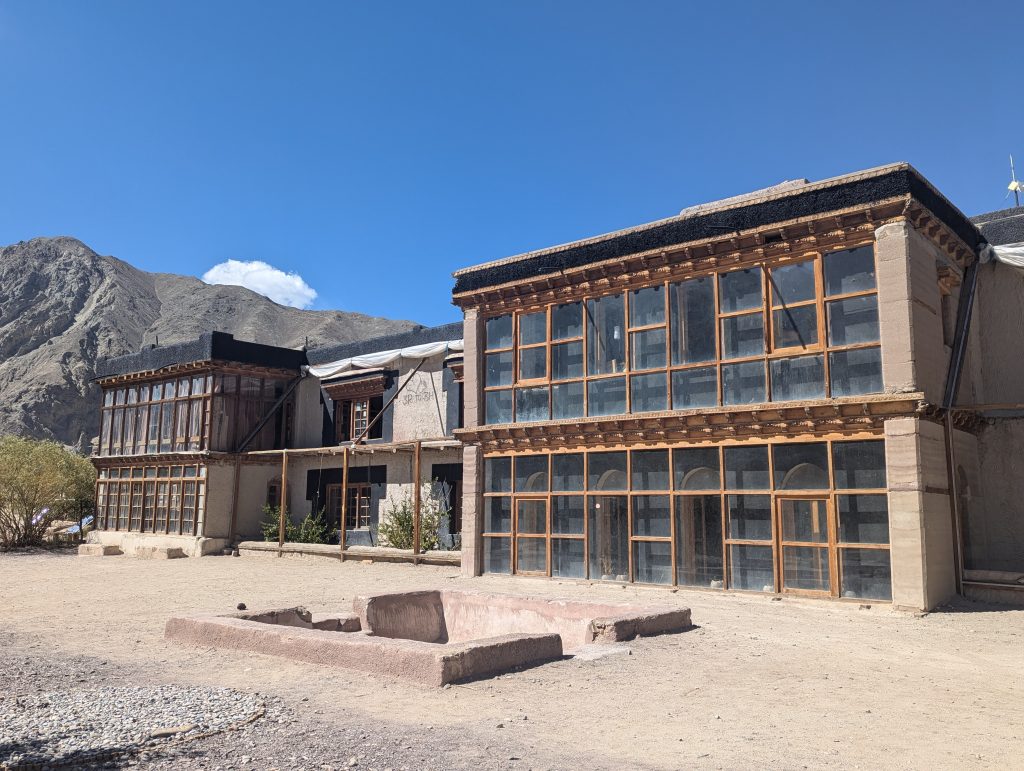
At any given time there may also be volunteers present on campus. Volunteers help with the aforementioned work and with English language or other skills-focused classes and training. While some visitors come to learn about SECMOL’s approach to education, many are drawn by the innovation in green building on exhibit. Perhaps most notable is the passive solar heating employed in campus buildings using local resources (including the abundant Ladakhi sunshine). I can say from personal experience that if you’re considering a trip to Ladakh in winter, SECMOL is one of the best places to be given its solar heated building designs.
Anyone who visits Ladakh with a genuine desire to understand more than its stunning landscapes and trekking routes would do well to visit or even stay awhile. Volunteers are generally welcomed throughout the year.
SECMOL’s impact on my life
My time in Ladakh between 2008 and 2010 was impactful in ways that I am still discovering. Upon revisiting in 2024 I remembered or realized that my enduring affinity for the region is tied to my experience at SECMOL. Here’s why:
1. A simple, campus-based life was probably just what I needed in my late 20s. I had a profession I enjoyed, extensive outdoor time including periodic trekking expeditions, healthy food, friendly people, plenty of books, and the fascination of new places without the stress of navigating them alone. Regular trips into Leh helped for time at the Internet cafe, snacks, and eating meat on occasion. But life at SECMOL felt somewhat self-contained in a way that many of my anxieties tied to the bigger world faded away for awhile.
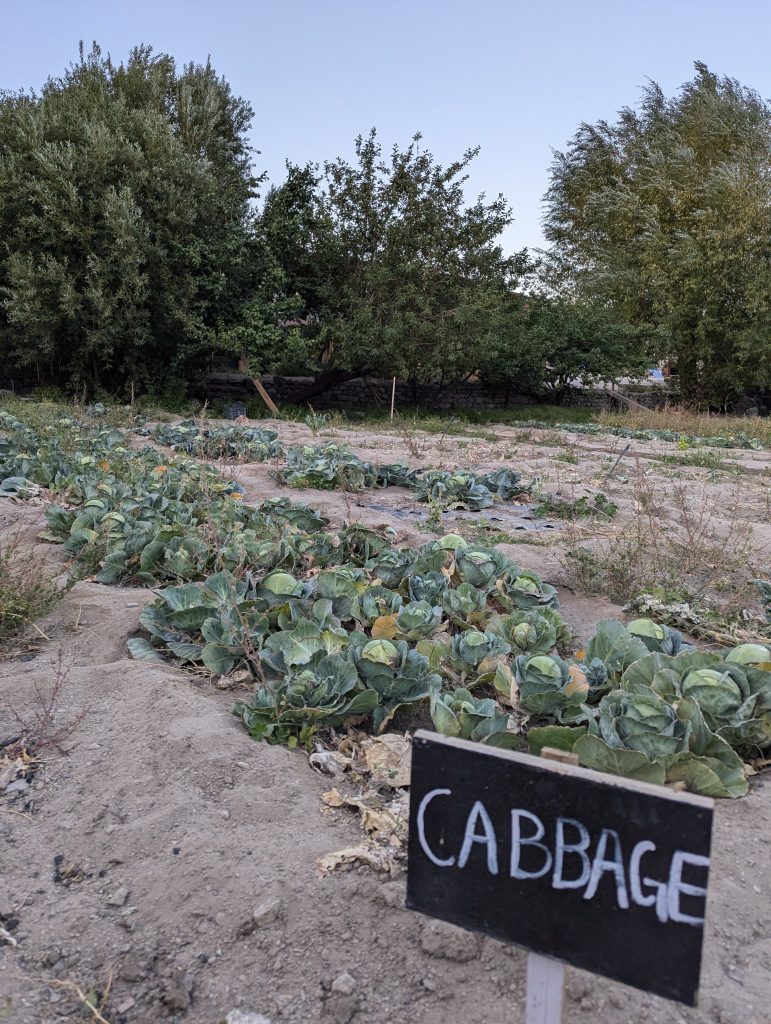
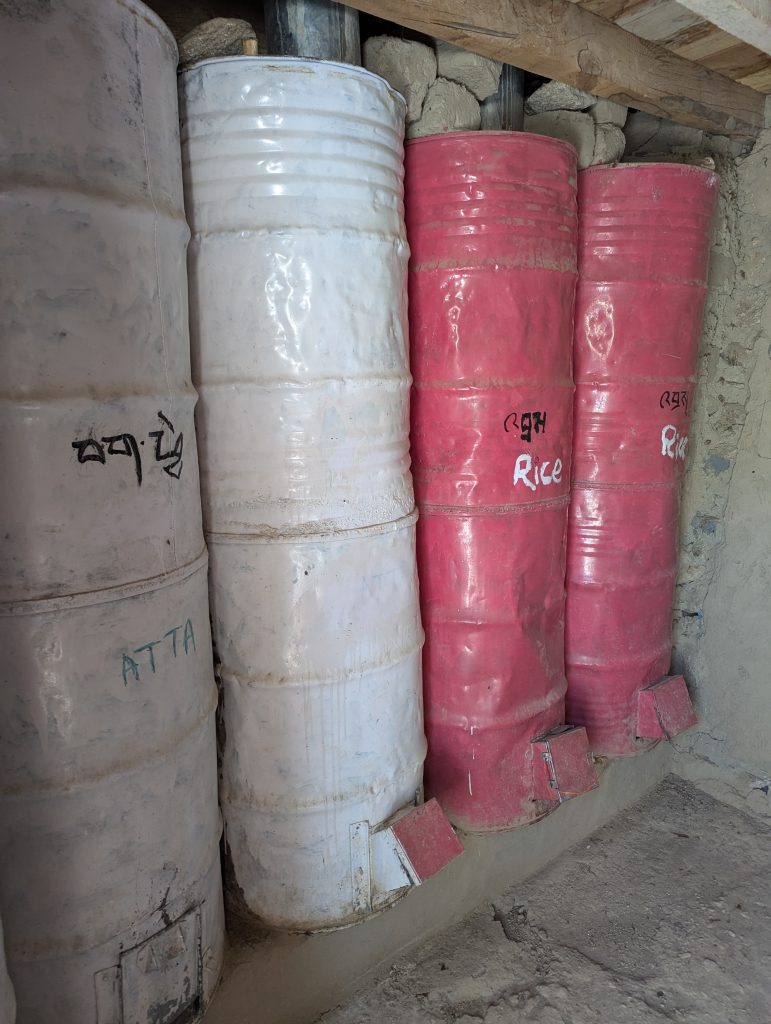
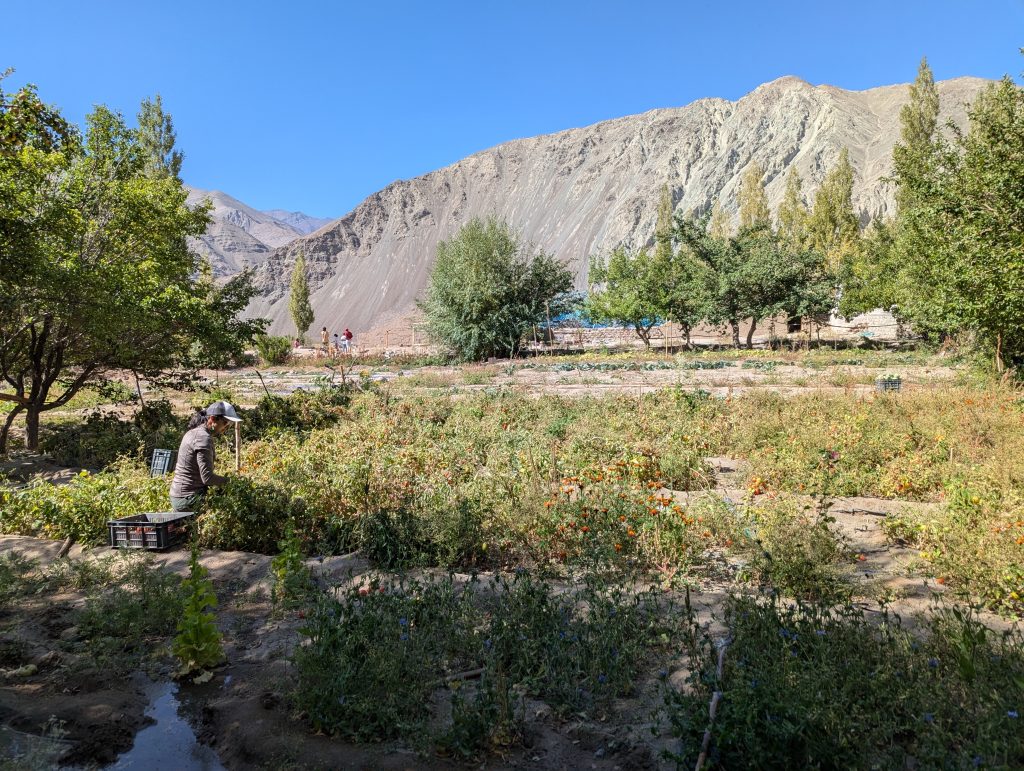
2. Learning about organic agriculture, eco-friendly building, and self-sufficient living was a wake-up call. My grade school education in the United States didn’t emphasize hands-on learning. At SECMOL I observed many young people developing expertise in self-sufficient, semi-off-the-grid living. This sparked a desire to get more in touch with the skills required to meet basic life needs (producing food, building shelter with local materials, etc). I didn’t change my life in ways that would emphasize these things, but a seed was planted.
3. Leaving the stability and familiarity of home and work life in the U.S. to live more simply on a patchy income strengthened my future willingness to leave my comfort zone in favor of rich and varied life experiences. Being the son of an immigrant made me curious from an early age about travel and culture. Realizing I could not only visit, but potentially thrive in a place so far from home and unfamiliar opened my mind in a big way.
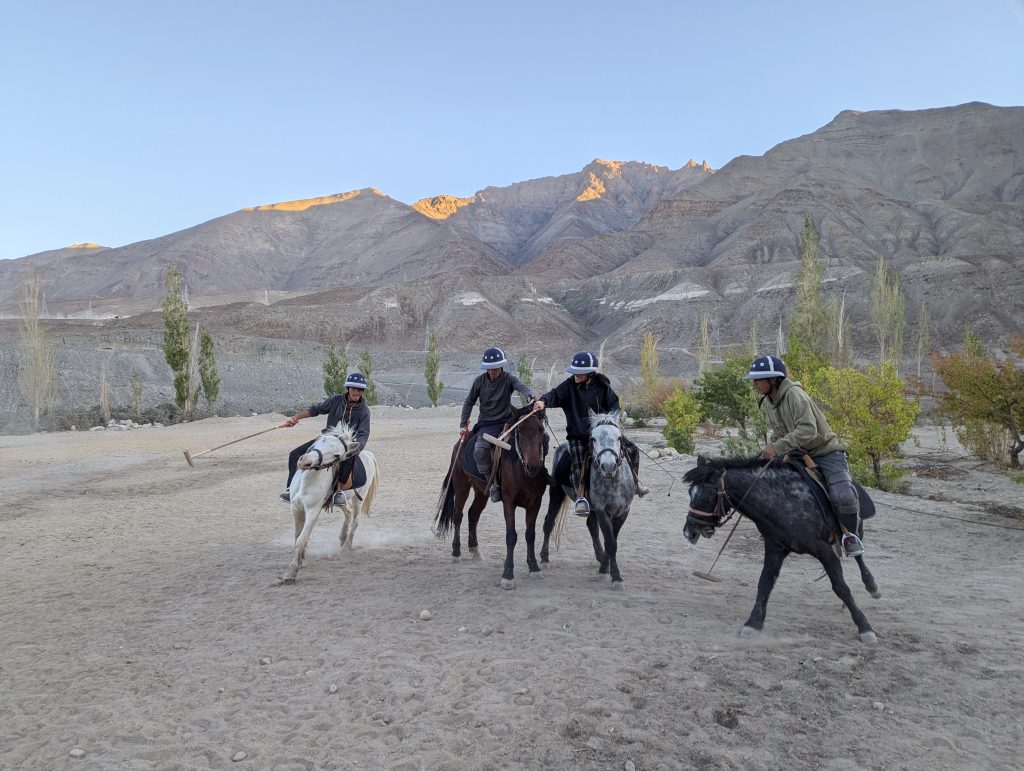
4. Traveling with structure and purpose shaped my ideas about what travel can and should be. Decompressing is essential but I realized that flights to faraway destinations often don’t align with the goal of relaxation. I believe that boarding a plane should happen with a great deal of intention and that making travel meaningful is one way we can “offset” the negative effects of burning fossil fuels burned in flight.
5. There were other impacts. Almost entirely refraining from alcohol in Ladakh, enjoying the simplicity of hand-washing clothes and bucket baths, swimming in the frigid Indus, jogging to the nearby village, learning about Buddhism and meditation, meeting other inspiring foreign volunteers — these things helped create a healthy and satisfying lifestyle.
The return
After two years I decided I wanted more stability. I had been traveling back and forth from the U.S. with each group of students and picking up work in Maryland between semesters to make ends meet. And as much as I enjoyed SECMOL it wasn’t home. I enrolled in a graduate program in Philadelphia and departed in 2010 thinking surely I’d be back to visit within a few years. I left a chest full of books, a sleeping bag, and some clothes, which I would never see again.
It would take me fourteen years to return, now married and a father, and having recently left a job of eleven years. A lot had happened so the feeling of returning to SECMOL was that strange sensation when things at first seem a little different but then you realize that it’s you that’s changed. SECMOL has the same vibe as ever. There are more buildings on campus, more gardens, and a few other positive developments but day-to-day life feels the same.
Happily, we realized that SECMOL was a wonderful place for our daughter as well. So much space, horses, kittens, a “car-house,” vegetables to pick, and a wonderful little library. Our visit also aligned nicely with several of our gap year goals including family time, healthful living, cultural exchange.
It’s interesting to revisit key places or moments from our past and reflect on what they have meant to us. Life is full of transitions but certain impactful experiences can magnify or accelerate those transitions, which was true in my case of my time in Ladakh. I’m grateful to have been able to revisit with my family so they could see what those two years meant to me.