Ollantaytambo, Peru: Why You Should Stay a Little Longer
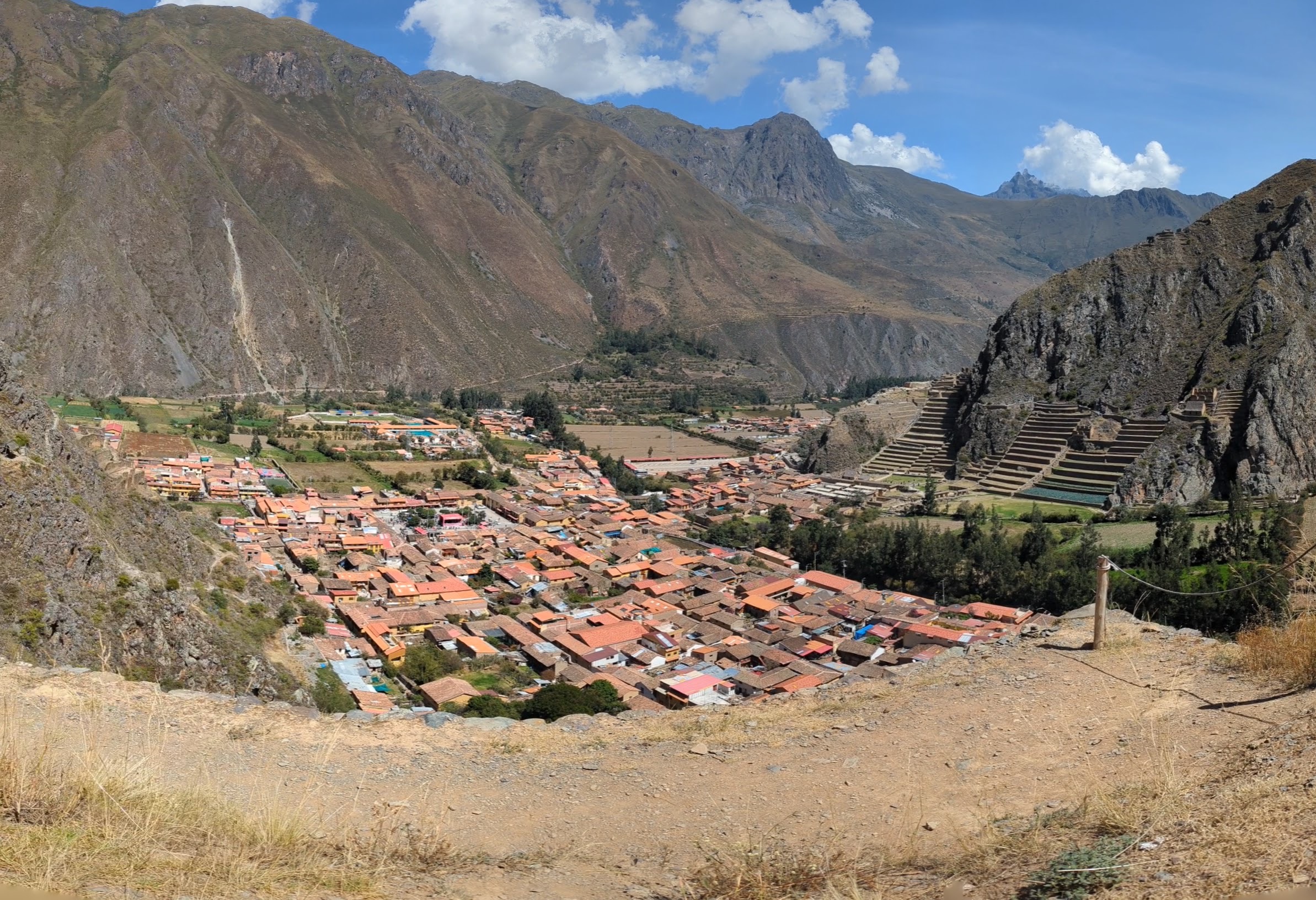
Sit in Ollantaytambo’s main plaza around lunchtime and you’ll see dozens of tour buses drive by. They bypass the heart of town and drop passengers off near the Incan ruins. While they have a good reason (the ruins are fascinating and beautiful) it’s a mistake to skip town without exploring more deeply. We recommend spending at least a few nights in Ollantaytambo if you have the time. Here are some of our highlights from a week in Ollantaytambo and why you may want to linger too.
Enjoying the town of Ollantaytambo
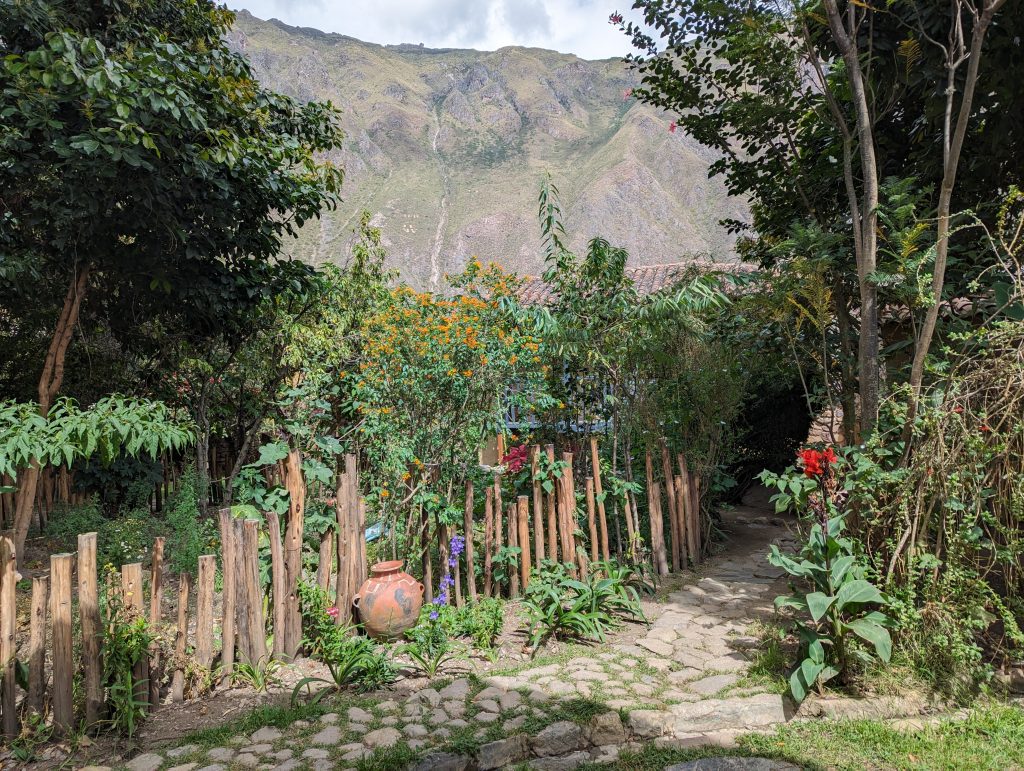
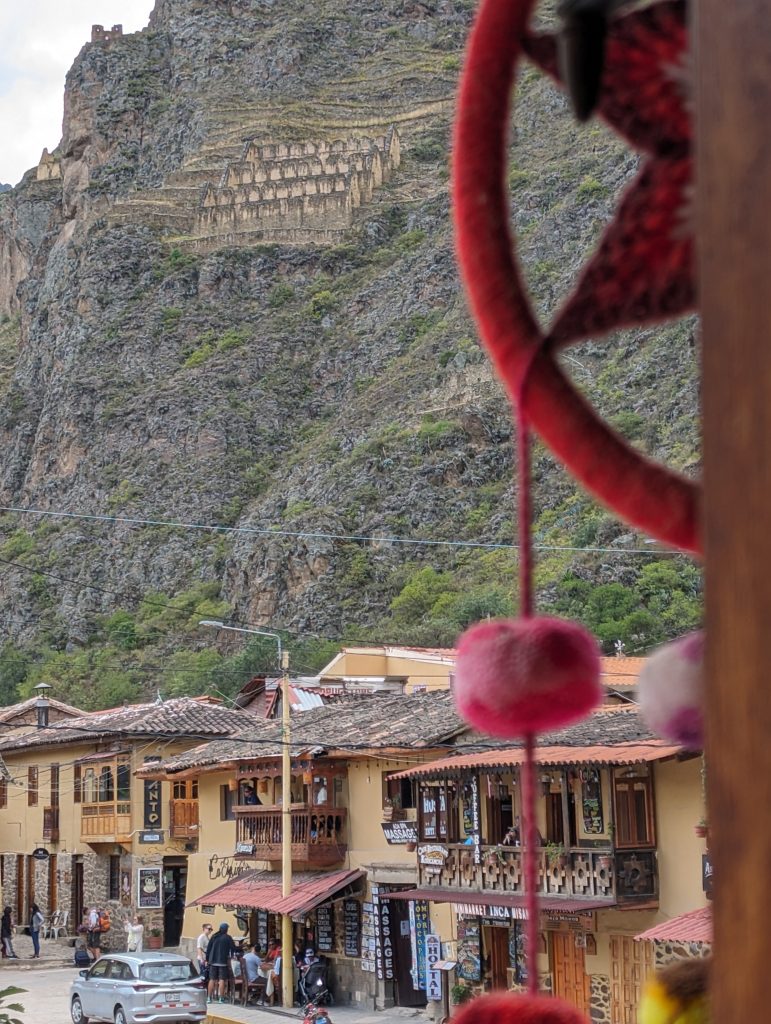
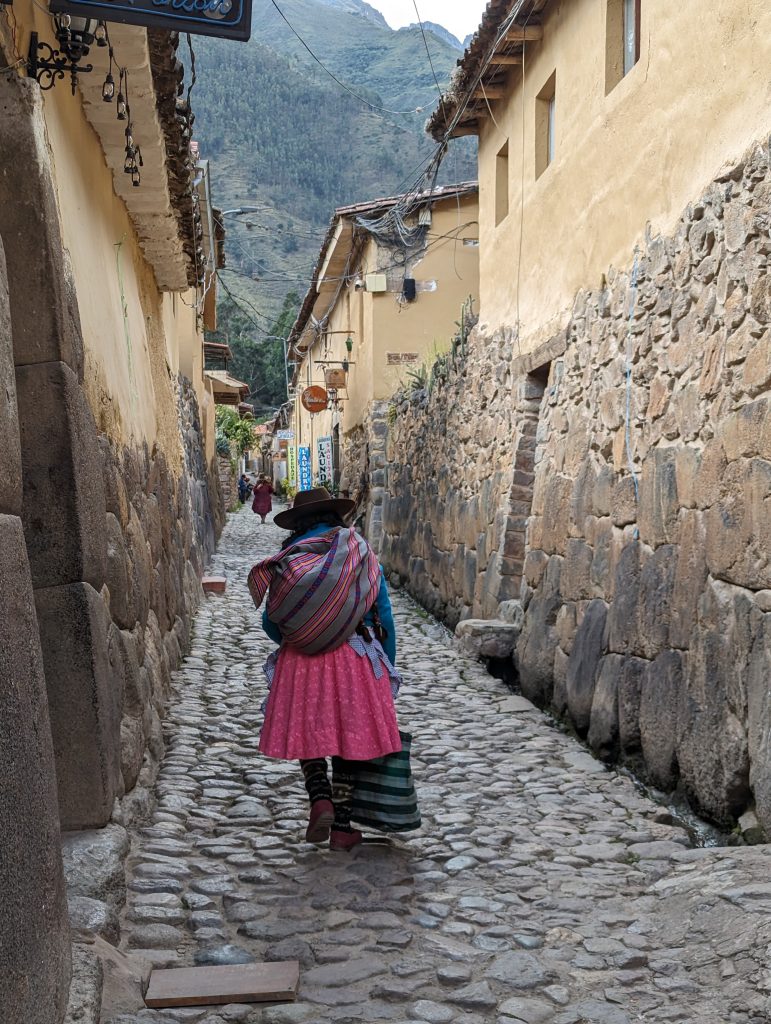
Restaurants line Ollantaytambo’s Plaza de Armas, some with balconies from which you can appreciate the action of the town. The town’s most beautiful neighborhood by far, Qosqo Ayllu, borders the plaza. The walls lining its narrow pedestrian streets were built in Incan times and the massive rocks that make them up are awe-inspiring. As you walk through this part of town you can see streets lined with open water channels dating back hundreds of years and Incan archways leading into courtyards, some of which you can enter.
You can walk the grid in a few hours. However, it’s worth spending a few nights within the Incan walls and letting local life sink in more slowly. There are plenty of guest houses in the neighborhood.
As for food, we always enjoyed a nice quinoa soup. You’ll find other local favorites like lomo saltado alongside options more geared towards visitors (including plenty of decent pizza).

Getting a sense of tradition and community
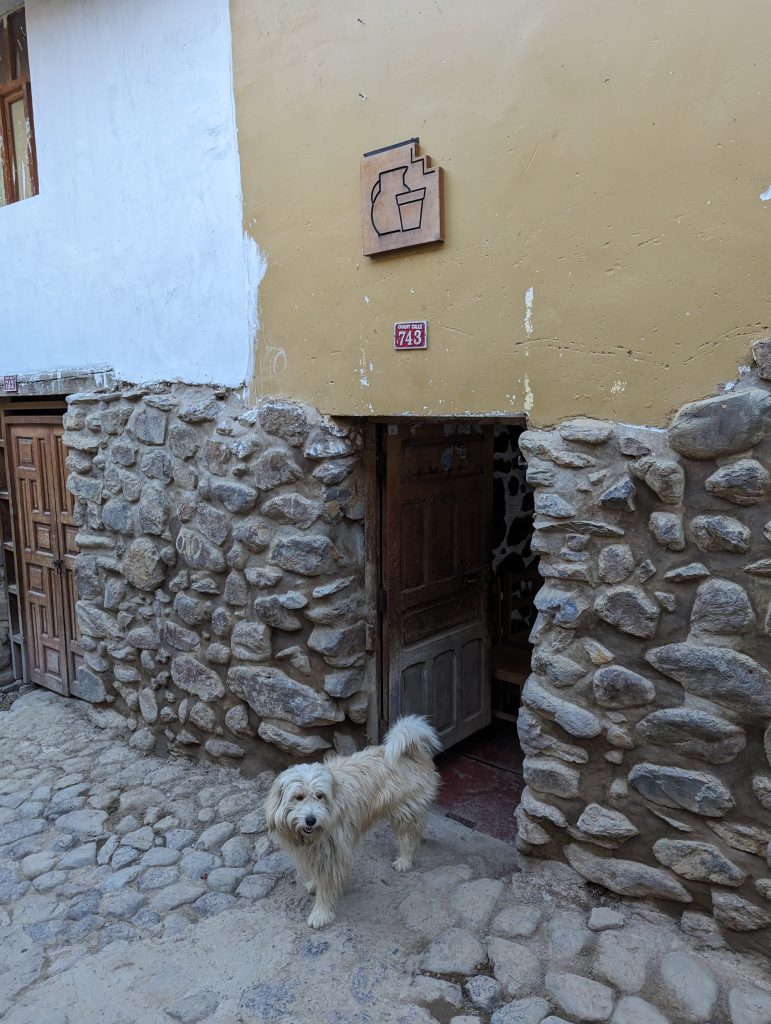
At house number 613 on Chaupi Calle the word “horno” is written above the door, suggesting a bakery. Most days starting at around 4am the door is opened for customers, but just a crack so as to preserve heat (for this reason it’s easy to miss). Give a knock and let them know how many soles you want to spend. One sol (about 30 cents) will get you four pieces of warm, fresh bread. It’s experiences like these that allow you to get the true flavor of local life.
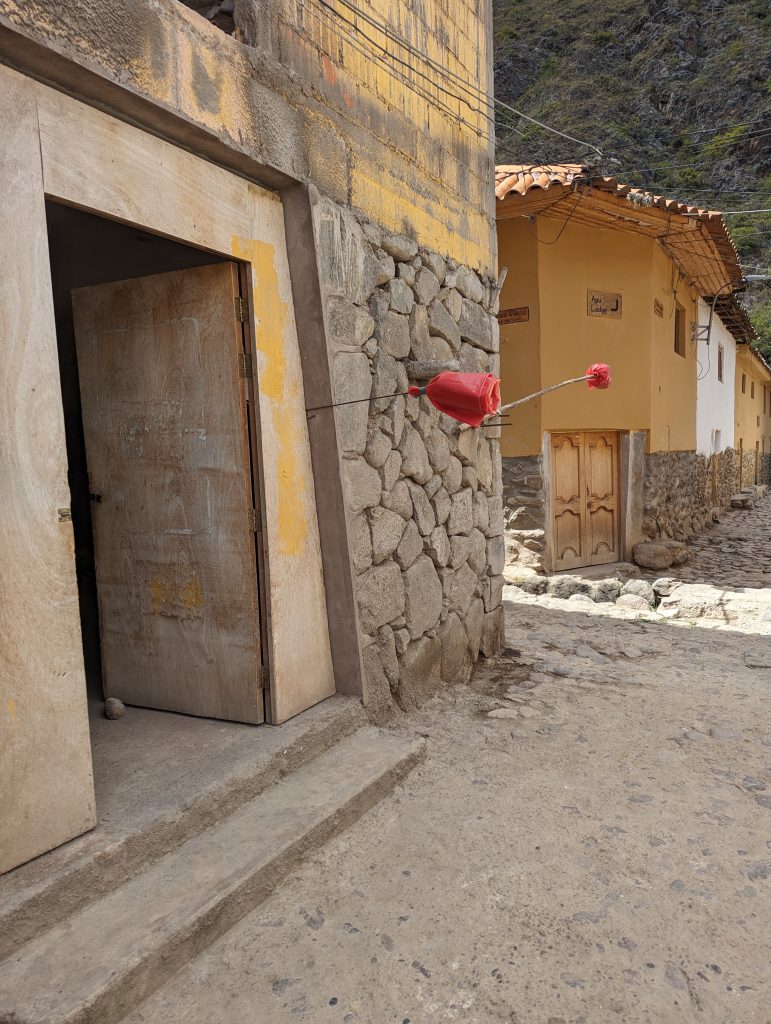
Similarly, you’ll likely see poles covered with red sacks jutting out into alleys. These indicate that the house is currently stocked with chicha, a traditional alcoholic beverage made primarily from corn.
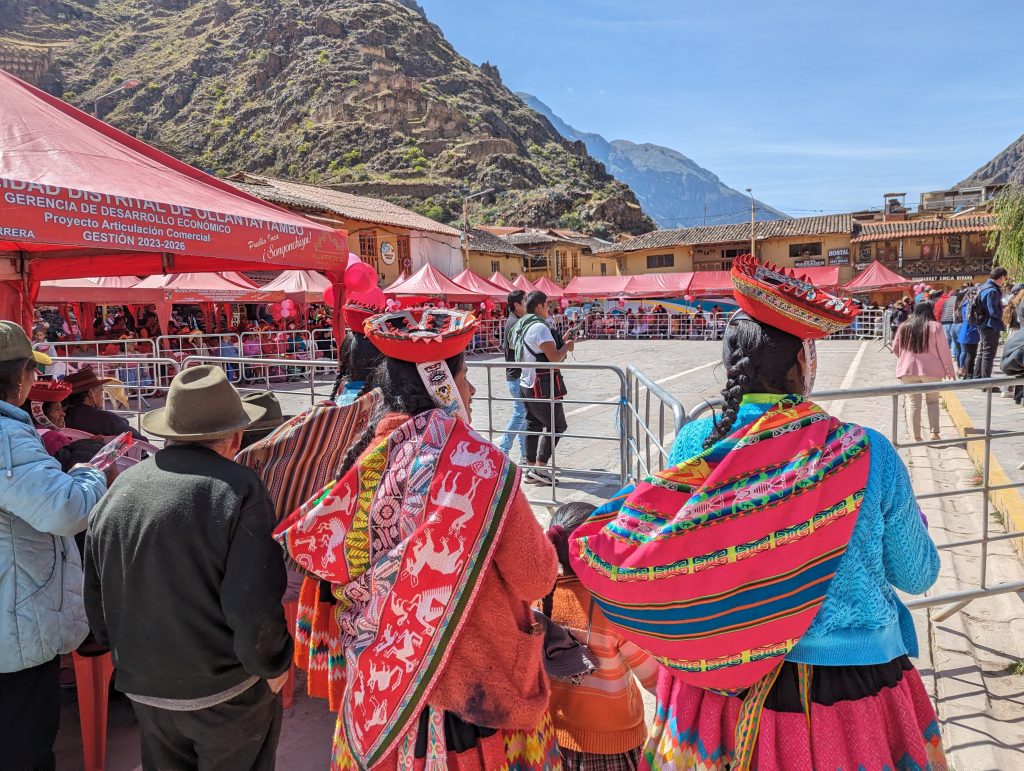
Traditional, vibrantly colored attire is a strong and living current in Ollantaytambo, like the “mantas” women wear on their backs to carry small children or possessions. So are the weaving techniques used by locals to make this clothing and other textiles you’ll see for sale around town. Maybe you’ve seen local women wearing traditional clothing on the streets of Cusco, accompanied by llamas. In many cases they earn money posing for photos with tourists. It may be tempting to think they maintain the custom of their clothing as a gimmick for tourists, but a few days in Ollantaytambo and you’ll see that this choice of clothing is nearly as entwined with daily life as is the Quechua language.
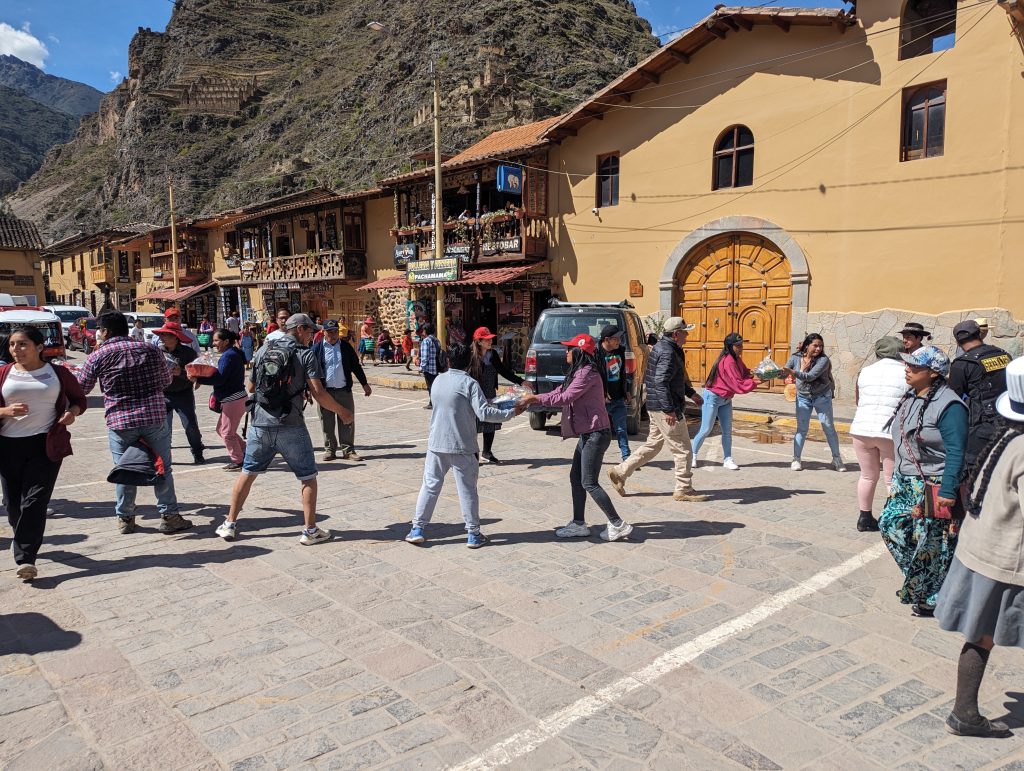
Ollantaytambo held multiple events during our visit including mother’s day festivities and the kick-off for the town’s Choquekillka celebrations. The Plaza de Armas is a perpetual place for community gathering but when it comes to events like these, community is amplified.
The local market near the plaza (food downstairs, other goods upstairs) is also an important site for the community. We regularly bought eggs, avocados, fruit, and other items so we could cook when we didn’t feel like eating out.
We were also lucky to get a strong sense of community through the friends Vienna made. The children of a few restaurant workers would occasionally be around playing and Vienna would happily join them. On one occasion a store clerk who tutors local kids invited Vienna to come in to do crafts with them. We couldn’t have planned these things. And we couldn’t possibly have had these great experiences had we not stuck around a little while.
Hiking and exploring ruins
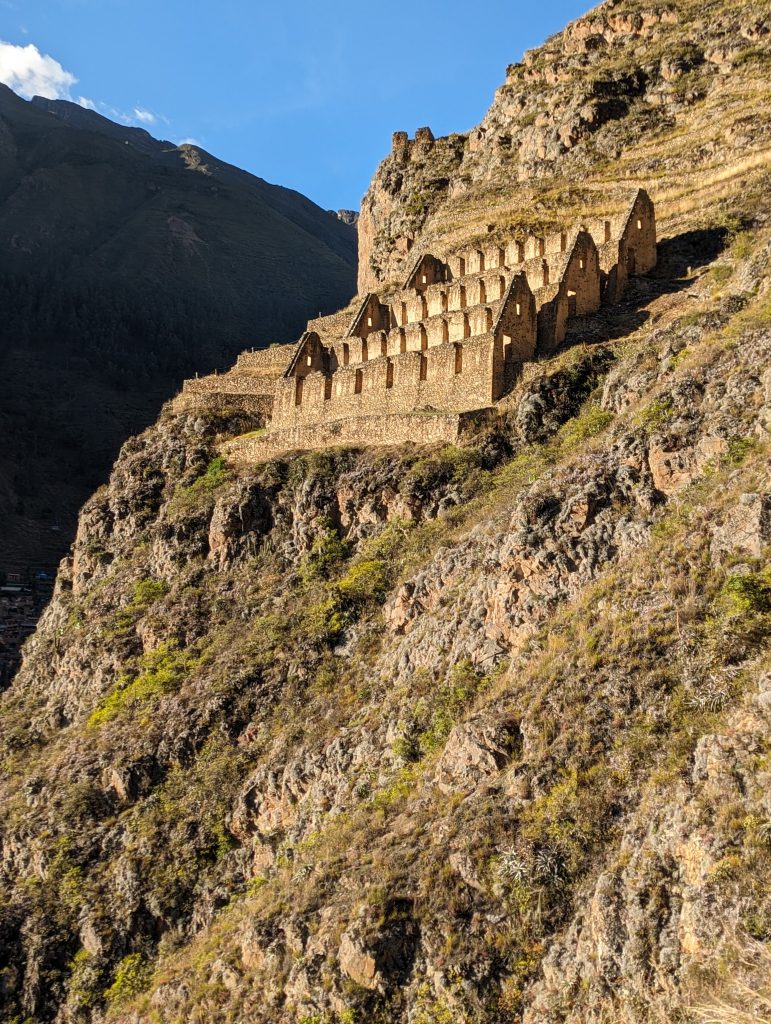
The main Incan archeological site is visible from much of Ollantaytambo. You can’t set eyes on it without feeling a sense of wonder. The site will start to fill up by lunchtime but if you arrive within an hour or two of opening time (7am) you’ll have the place mostly to yourself. Don’t miss the short hike to Inka Watana.
It’s not just the main ruins in Ollantaytambo that are awe-inspiring. Just above town the Pinkuylluna site involves a short (though somewhat steep) hike with a beautiful view of the town. It’s free and you can access the path from a street right off the Plaza de Armas.
My favorite hike from Ollantaytambo is to the Inti Punku ruins. It’s so magical that the experience earned its own blogpost. The same post covers several other nearby hikes and ruins within walking distance from Ollantaytambo including Pumamarka and Huilloc.
Spending a night in Huilloc
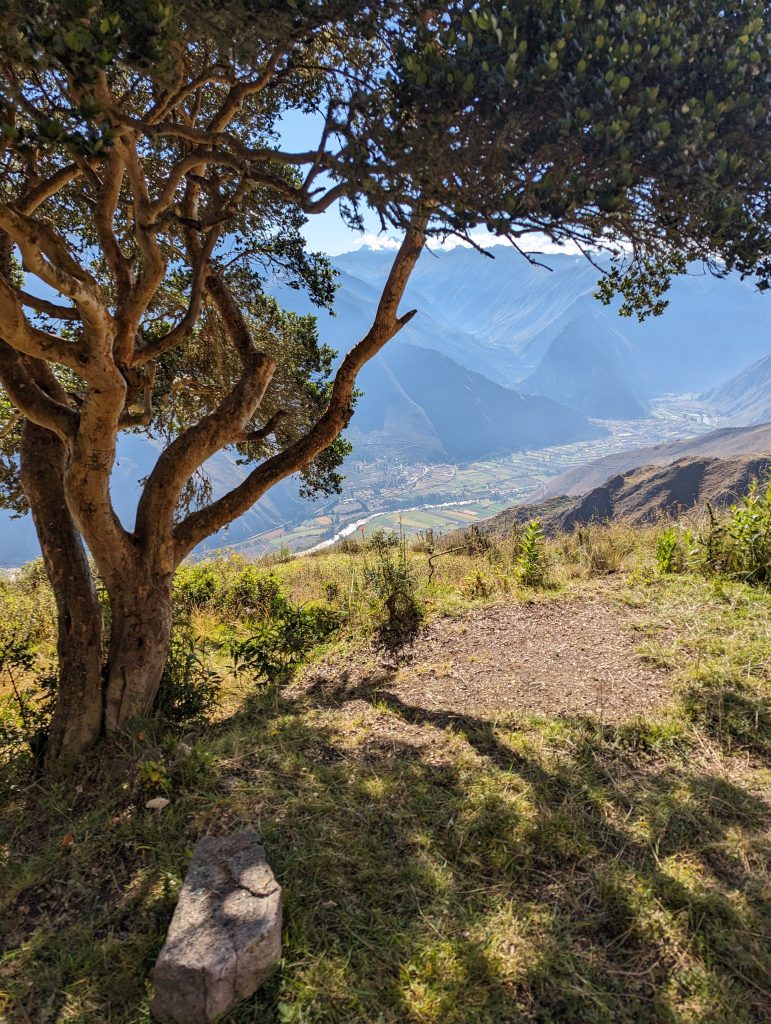
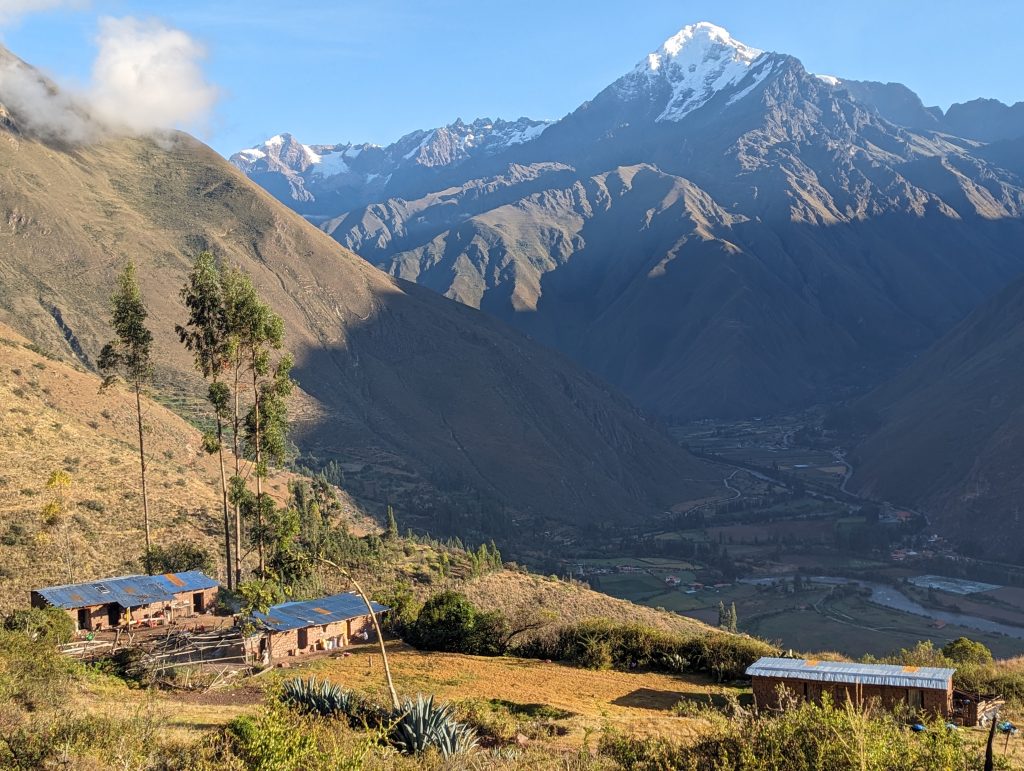
Speaking of Huilloc, you can spend a night or several in their self-sustaining community about an hour’s drive from Ollantaytambo. The community has set up a system for sustainably hosting tourists while preserving their traditions. We learned a bit about their cooking (meals are included) and traditional weaving. Our host also took us on a walk to learn about the plants and worms where many of their natural dyes are sourced. You can reach Huilloc by local colectivo but there is also a hiking trail.
Other activities
We had some unexpected surprises in town as well. After sampling some locally distilled beverages at Chuncho on the plaza we arranged to visit the affiliated distillery and farm near the train station. Seeing the farm was fun in and of itself. It’s a beautiful space and we enjoyed learning about their process.
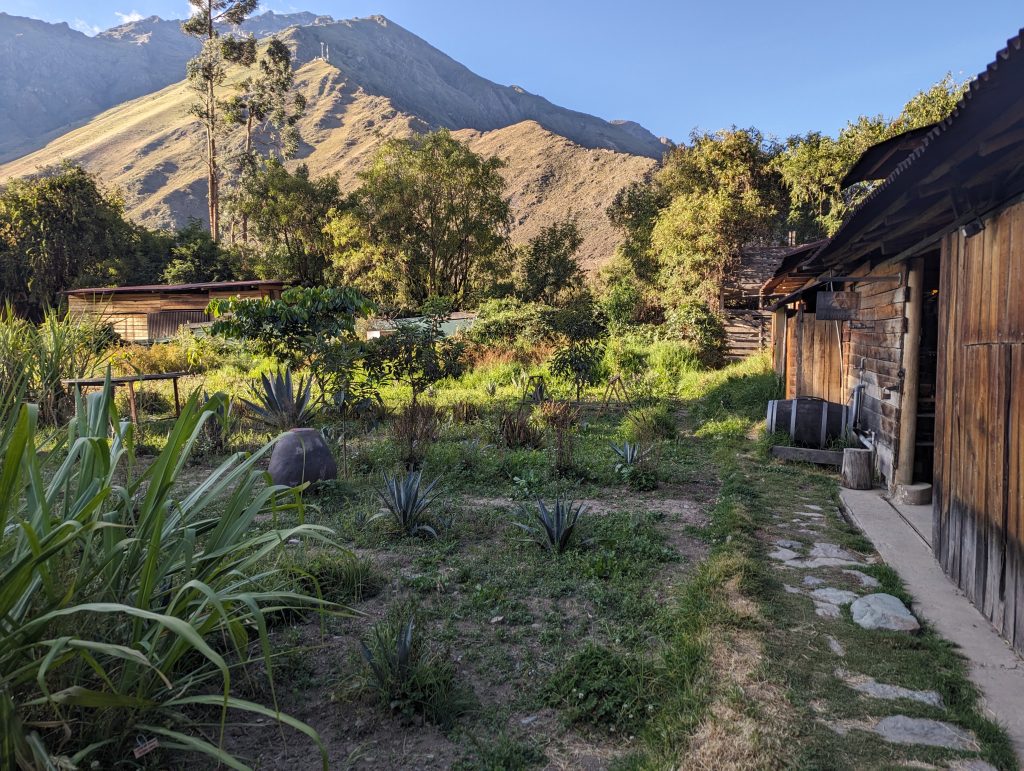
Another hidden gem is the large courtyard at ALQA, a small museum in Ollantaytambo with a restaurant, shop, and bar. Their spacious yard has gardens, lawn chairs, and a tranquil atmosphere where you can enjoy a cocktail.
About a ten-minute ride into nearby Pachar will bring you to the Cerveceria del Valle Sagrado, which has great beer and (interestingly) delicious calzones as well as a large outdoor space.
More popular day trips from Ollantaytambo include the fascinating Incan terraces at Moray and the salt mine at Maras. I hardly need to mention Machu Picchu, but it’s worth pointing out that for a day-trip to the most popular Incan wonder, Ollantaytambo makes a great starting point (the train takes about 85 minutes).