Salta: Valleys, Vineyards, and Beautiful Drives
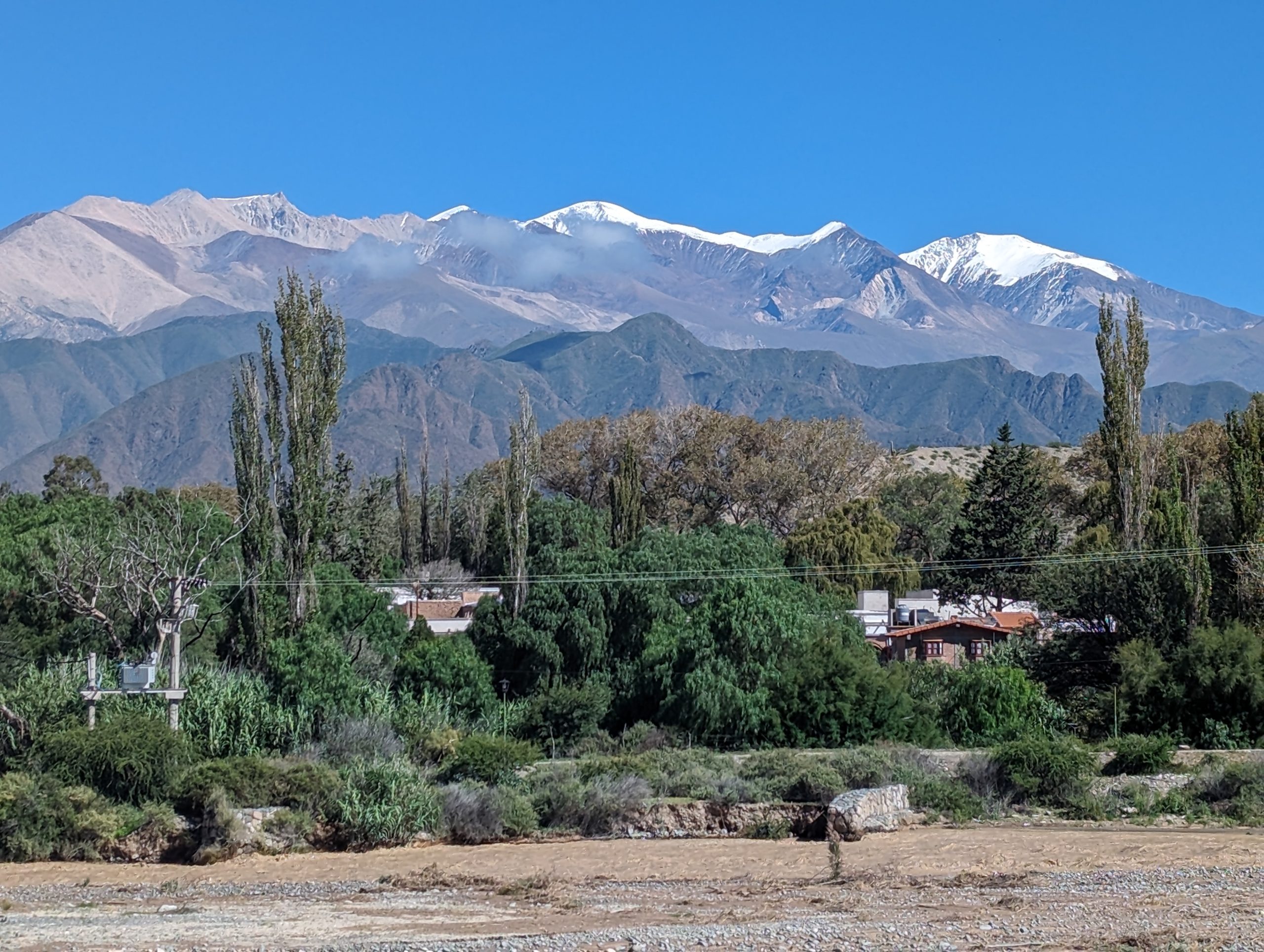
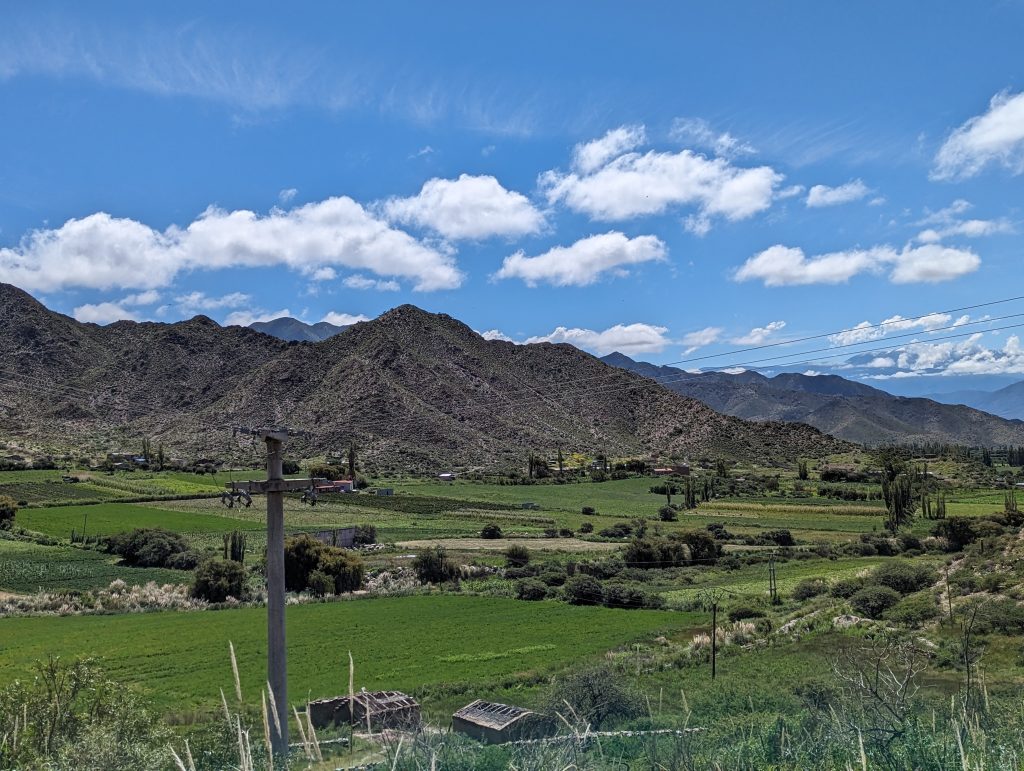
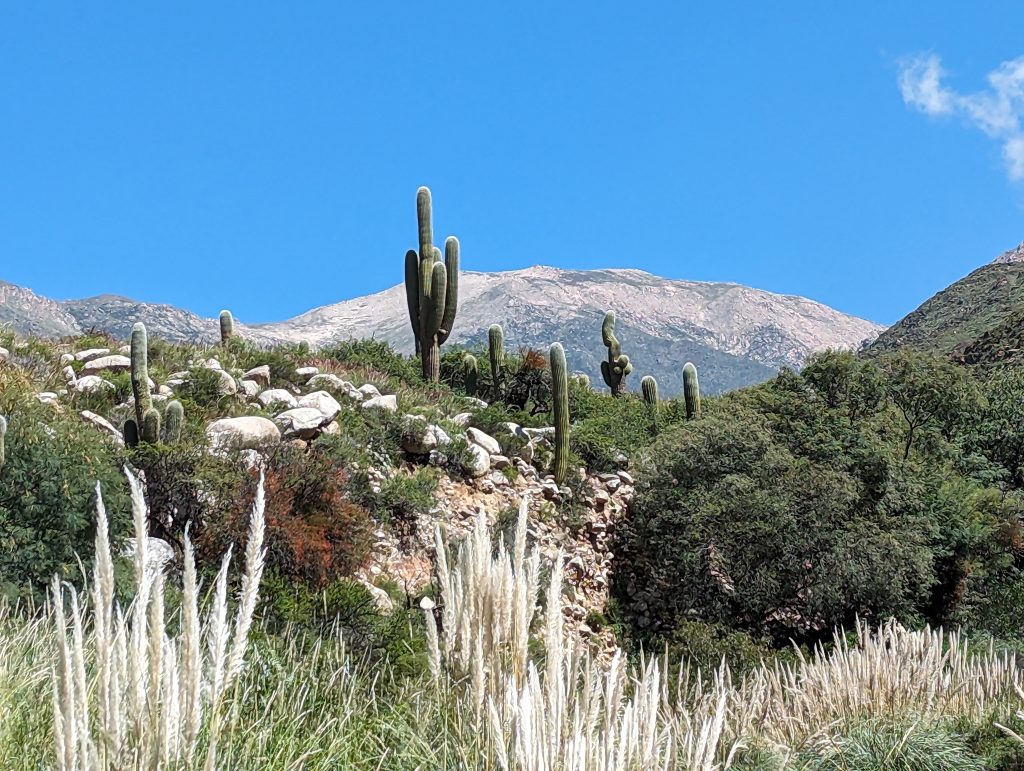
Salta is located in the northwest of Argentina and exhibits a variety of climates and landscapes. We spent about a week in the province of Salta as part of our 16-day road trip in the north of Argentina, visiting Salta Capital and the towns of Cafayate, San Carlos and Cachi. One of the highlights of our trip to Salta was the amazing landscapes that we crossed over the 500 km route that connects these towns. We provide more detailed information in the Salta-Cafayate and the Cafayate-Cachi-Salta posts.
A few things to do in Salta Province:
Salta Capital
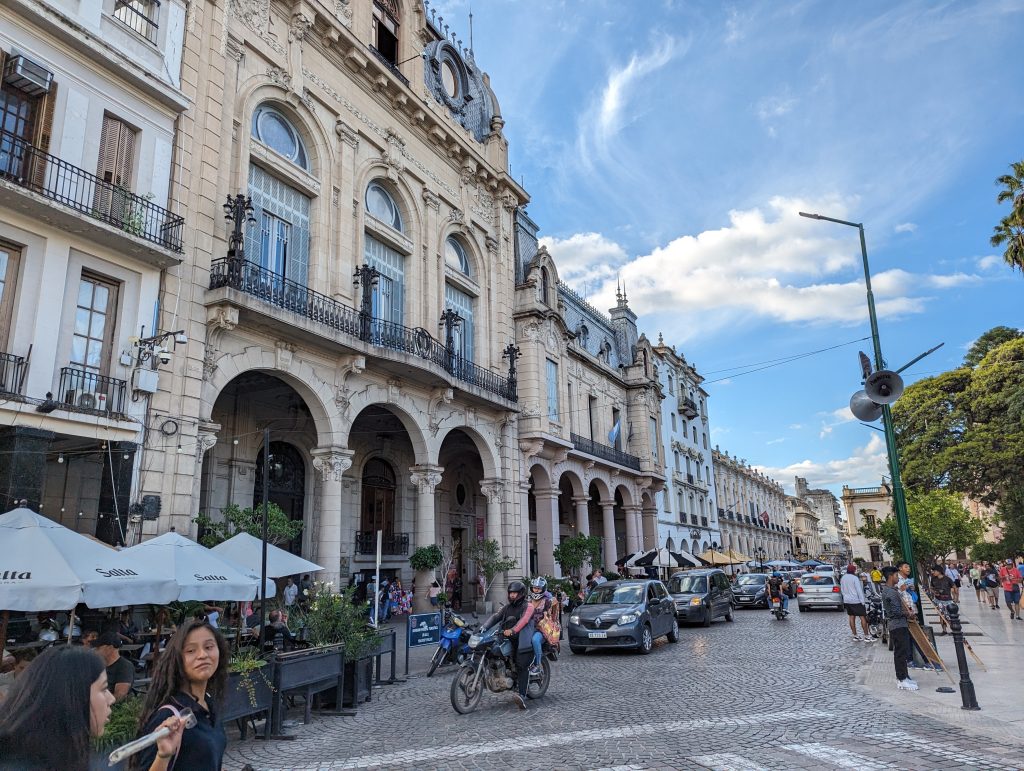
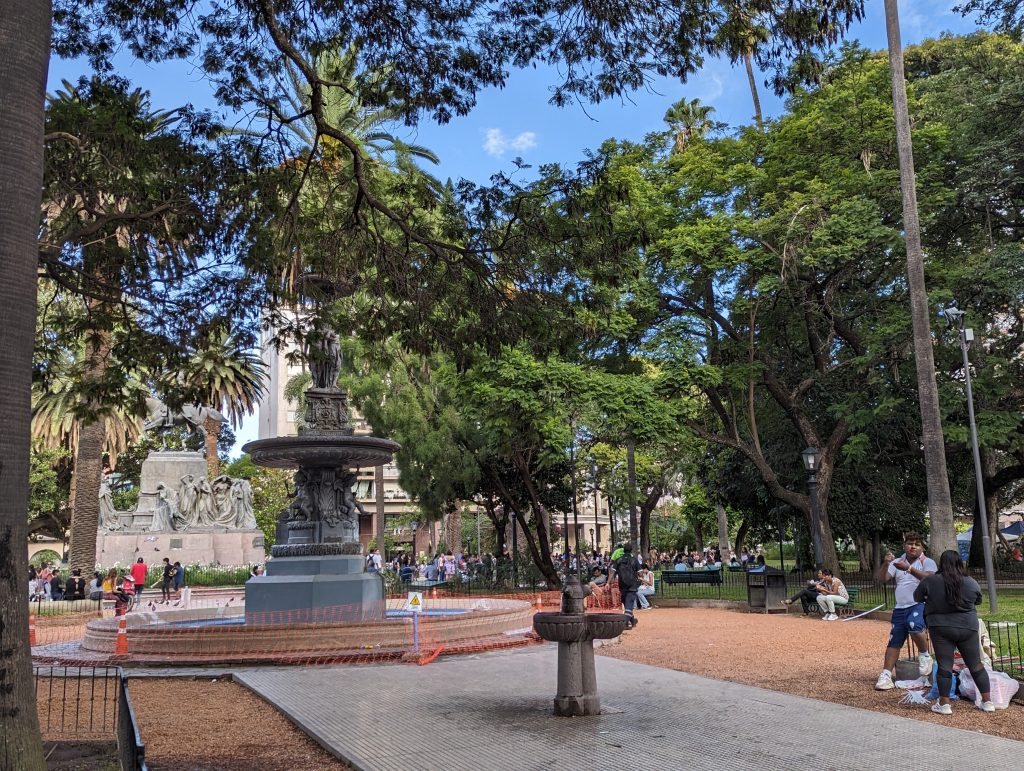
Also called “Salta la Linda.” Nested among mountains, the city was founded by the colonizers in 1582 due to its strategic location connecting the cities now known as Lima and Buenos Aires. The city still has a colonial charm, but with a strong air of modernity and traffic that never stops for pedestrians. There are plenty of hotels and apartment rentals, restaurants, interesting plazas, churches, and a lot of commerce. We also visited the Museo Guelmes, which has interactive visits in Spanish suitable for older kids and adults.
Cafayate
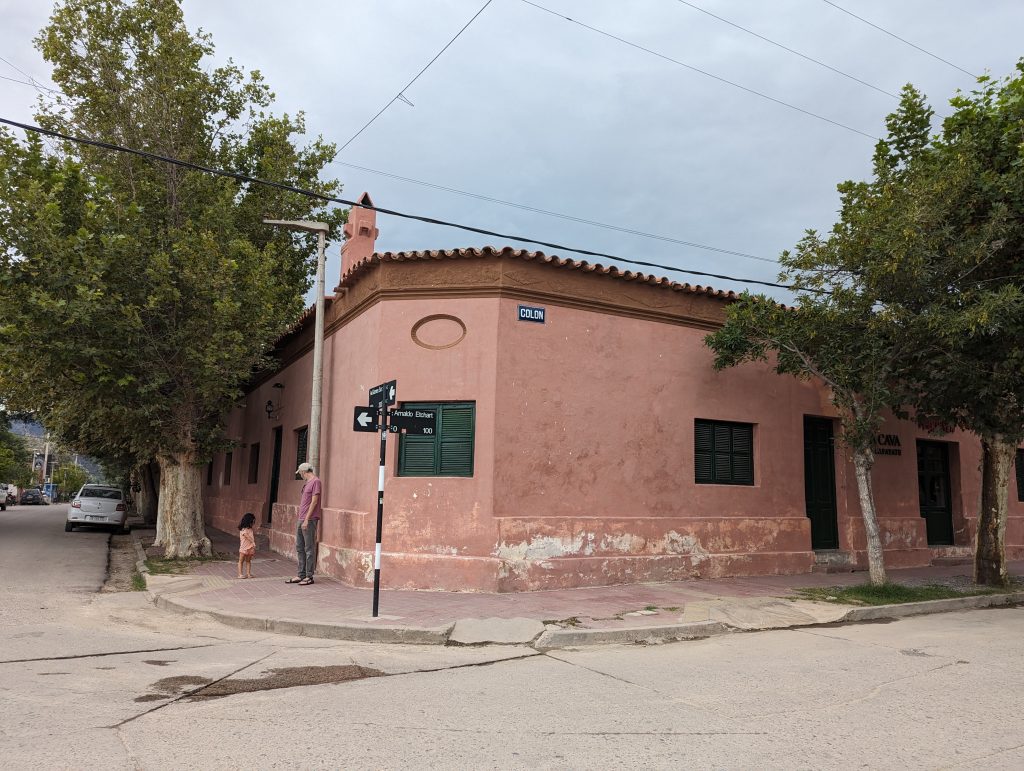
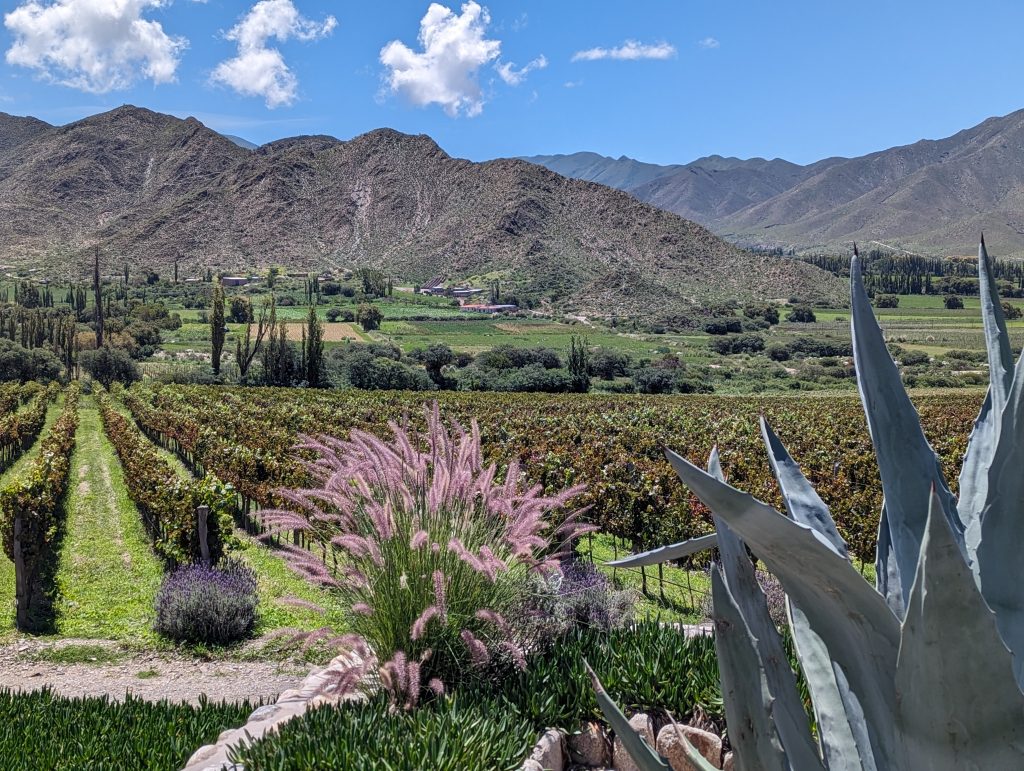
A charming town in a strategic location close to great sights along routes 68 and 40. The areas surrounding cafayate host some of the highest-altitude wineries, Torrentes being the most common variety. Some of the wineries are right in the town and we tried some delicious varieties at inexpensive prices.
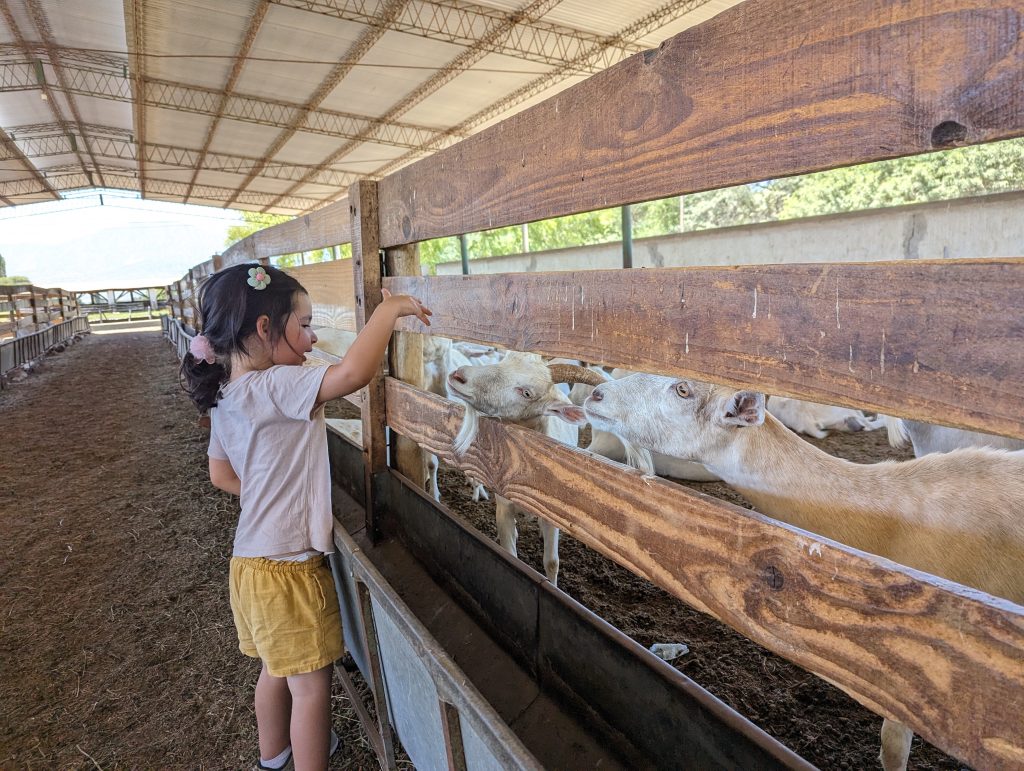
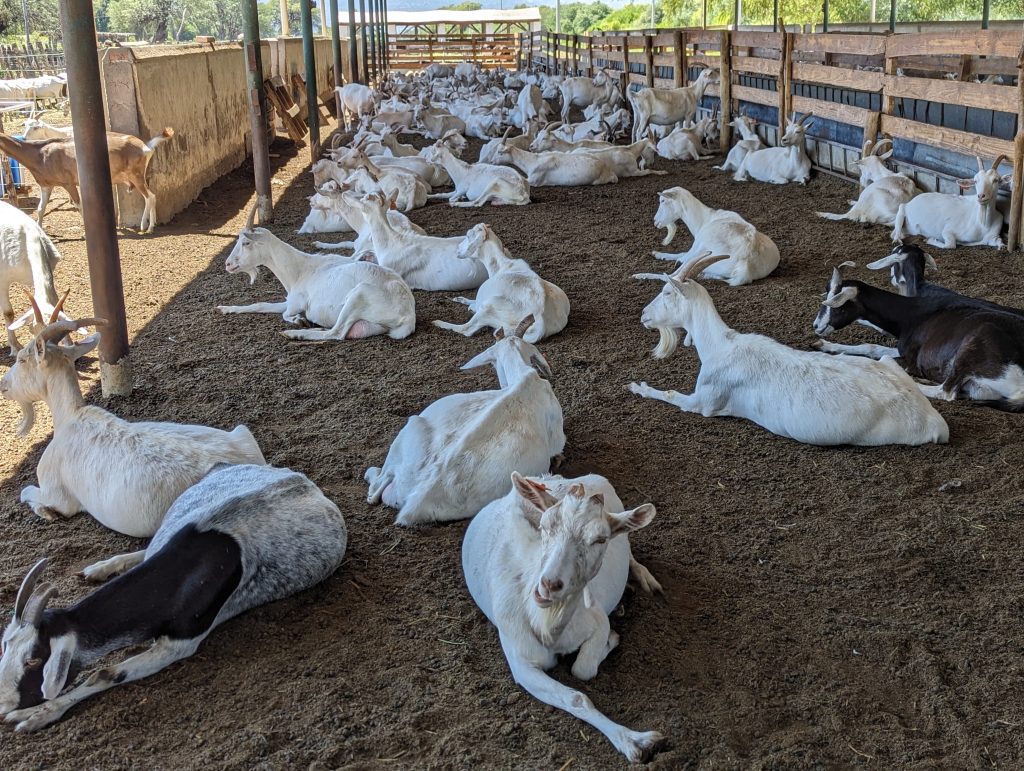
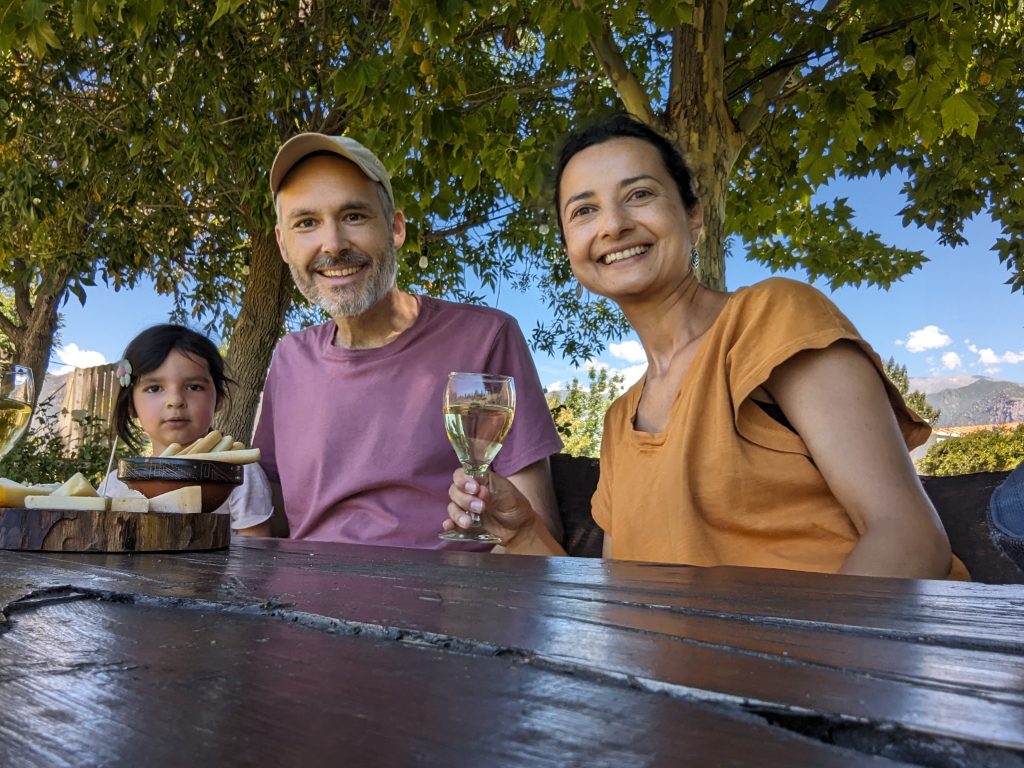
Interestingly, one of the tastings happened at the goat farm “Cabras de Cafayate.” This is an ideal place for kids with a playground and optional guided walk around the farm with its 600 goats, during which you can see the end-to-end process for making goat cheese. Did you know that a goat produces about 2 liters of milk per day, and it takes 10 liters of milk to make one kilogram of cheese? This farm produces about 50 kg of cheese a day in different varieties. At the end of the process we got to try the cheeses paired with Torrentes Wine while our daughter played on the playground.
San Carlos
A small town on route 40 between Cafayate and Cachi. This is a good option if you’re looking for a more quiet and less touristic place to stay on your way up to Cachi (just know that restaurant options are much more limited). We stayed in the wonderfully serene Casa de Los Vientos.
Cachi
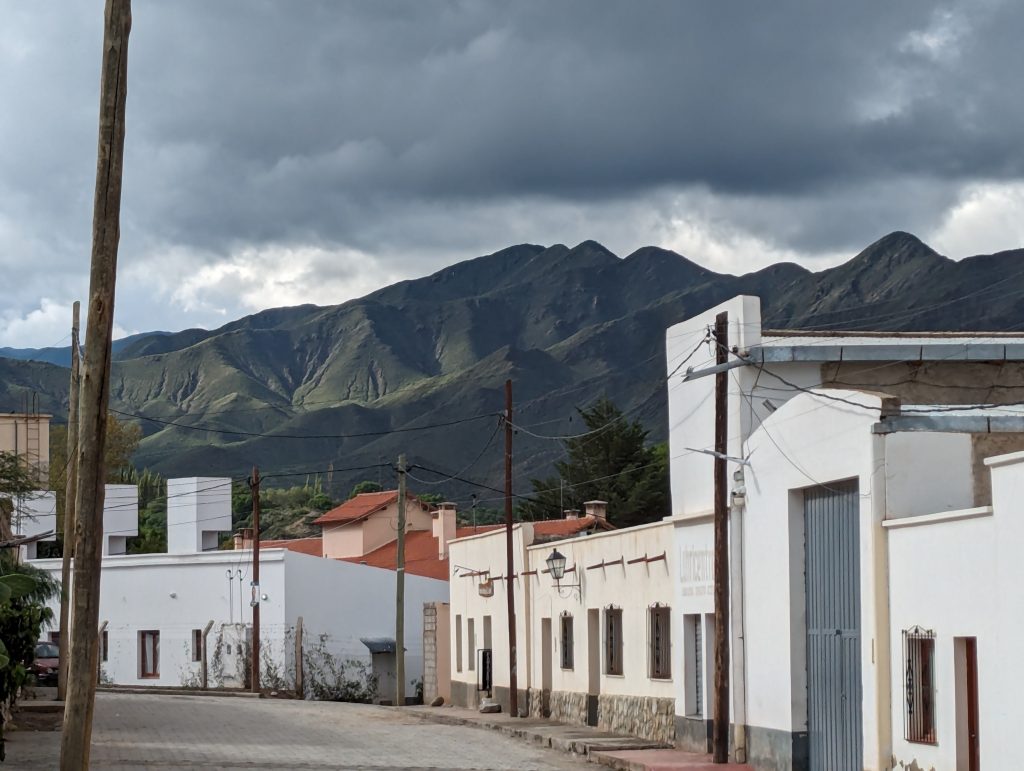
A cute town with white and yellow houses of colonial architecture. Cachi has a mix of local business with some tourist facilities and restaurants. It’s a place to relax, slow down, visit the beautiful surrounding areas, or just get some things done if you have some projects in the works. We spent three nights there.
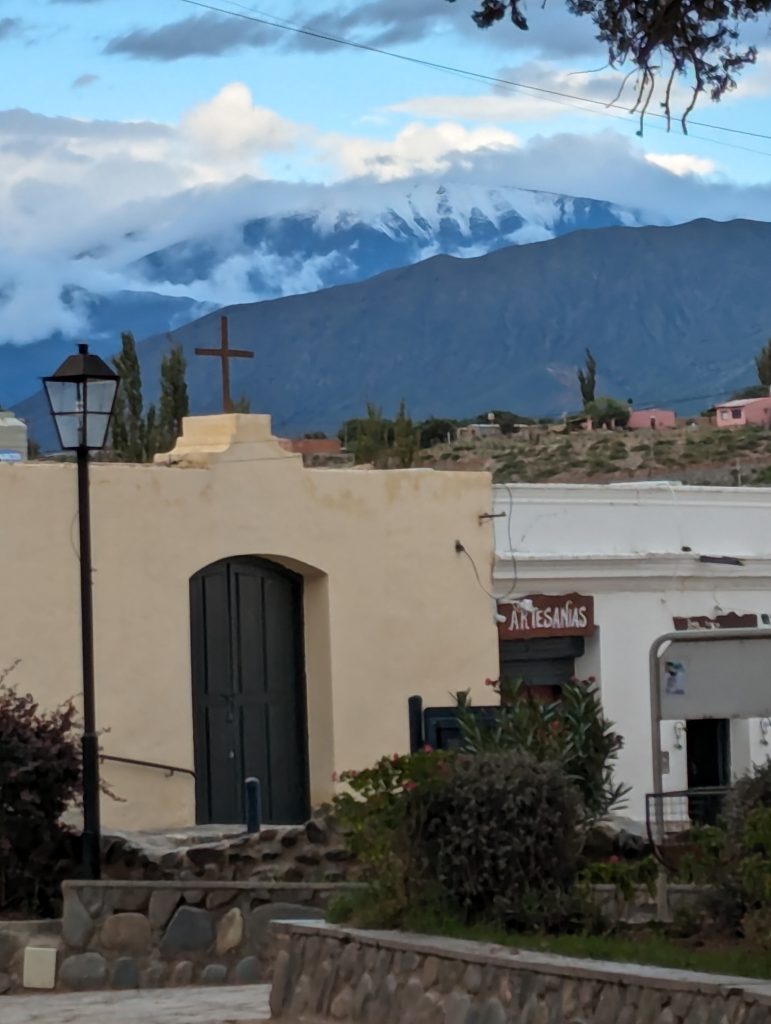
One highlight of our trip was the visit to Arroyo el Algarrobal, a stream nestled among the mountains, with a view of Nevado de Cachi. It was a 12km drive from Cachi across wineries and farmlands until we reached a campground with grills and rustic tables by the river. We did a short walk and enjoyed the quietness and beauty of the place for a while. On our way back we had lunch at Bodega Puna, although we were not impressed with their wines it has a beautiful view and good food.
Travel Considerations with kids
If you do a route similar to ours you will be driving a lot. The road between Salta Capital and Cafayate takes a few hours, but it’s nice (and even necessary) to make several stops. The same applies to the routes from Cafayate to Cachi, and from Cachi to Salta. There are some sections of the road with no services so it is recommended to have plenty of snacks and entertainment.
Activities in Cafayate and Cachi are mainly targeted to adults (wineries and such) but there are some things to do with kids like the goat farm or horse rides. There are also some hikes near each town, and bike rentals. Food options are focused on regional fare (empanadas, humitas, soup and goat), as well as fast food (burgers and such).
Salta in a Nutshell
Population: About 1.5 million in the province, and about half of that is located in Salta Capital. Cafayate has about 18,000 people.
Lodging Price Range: $40-$120
What did we like the most? The beautiful and unique landscapes as we drove on routes 68, 40 and 33. The “Locro”, a soup made out of corn, white beans, squash, potatoes and meats was delicious in the region!
What was challenging? The road conditions were not the best, and the situation was worse due to rain. For each leg of the trip we were checking on the road conditions with the tourist offices.